 ARIIVE INDIA BLOG POST
ARIIVE INDIA BLOG POST
ARIIVE INDIA BLOG POST
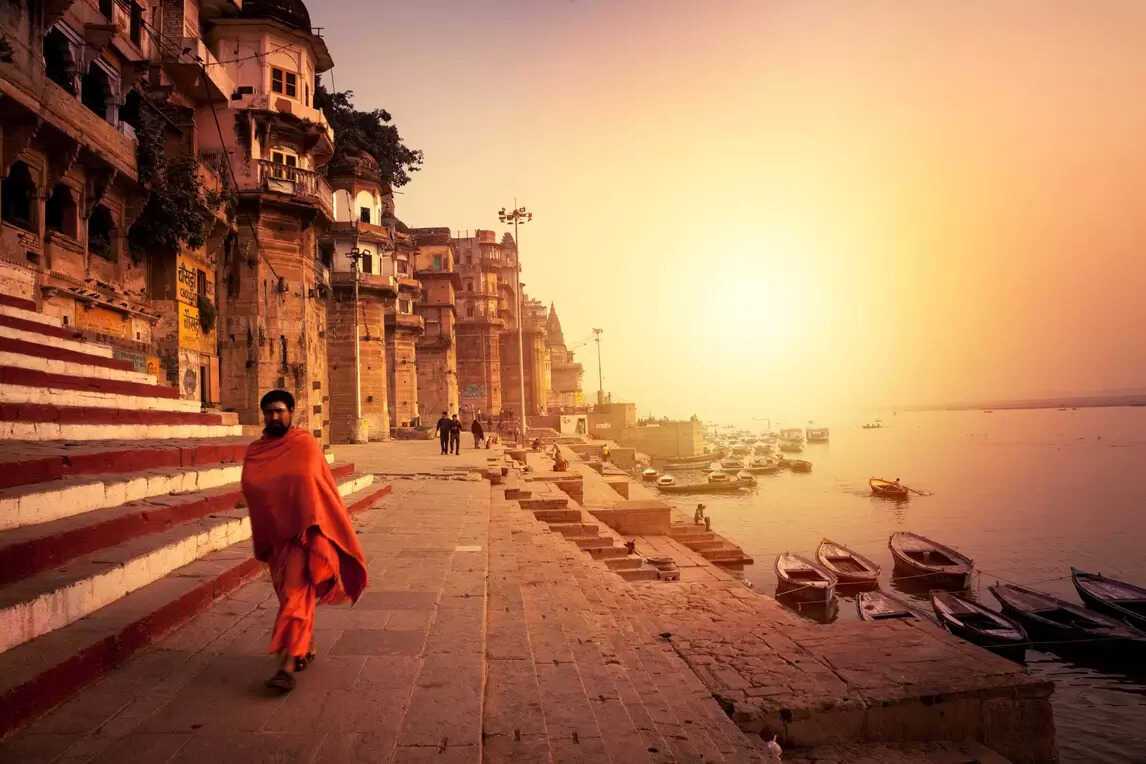
Prayagraj, formerly Allahabad, is a sacred city where the Ganga, Yamuna, and mythical Saraswati rivers converge at the Triveni Sangam, radiating spiritual energy and ancient secrets. Beyond the iconic Kumbh Mela and bustling ghats, Prayagraj hides enigmatic destinations within a 70km radius, each cloaked in mystery and steeped in legend. From haunted Mughal tombs to subterranean temples and forgotten Buddhist ruins, these lesser-known spots beckon adventurers, history buffs, and spiritual seekers. This SEO-optimized guide unveils 10 hidden gems of Prayagraj, complete with detailed descriptions, practical tips, and Google-friendly keywords to help you plan an unforgettable journey into the city’s mystical heart.
.jpg)
Nestled within the historic Allahabad Fort, the Akshayavat Temple is home to an immortal banyan tree, believed to be over 3,000 years old and a manifestation of Lord Vishnu. Hindu mythology claims this "indestructible tree" (Akshayavat) withstands fire, floods, and time itself. Devotees tie sacred threads around its gnarled roots to seek blessings for health, prosperity, or wish fulfillment. The temple’s true enigma lies in its fragmented myth: while the roots thrive in Prayagraj, the tree’s middle is said to grow in Varanasi, and its top in Gaya—an impossible botanical riddle. Below the fort, the temple connects to the Patalpuri Temple, an underground labyrinth of chambers where silence feels alive with divine vibrations. Restricted access due to the fort’s military use adds to its allure, making a visit feel like uncovering a hidden relic.
.jpg)
On the serene banks of the Ganga in Daraganj, the Nagvasuki Temple is a rare shrine dedicated to Vasuki, the divine serpent king of Hindu mythology. One of only two temples in India honoring this deity, it draws devotees seeking remedies for Kaal Sarpa Dosha, a potent astrological affliction believed to bring misfortune. The temple’s medieval stone architecture, with intricate carvings of serpents and deities, exudes an ancient charm. During Nag Panchami, the air grows heavy with rituals—devotees offer milk to snake idols, and locals claim Vasuki’s spiritual presence is palpable. The temple’s tranquil setting belies its eerie reputation, with some reporting unexplained heaviness or whispers during quiet hours, adding to its mystical allure.
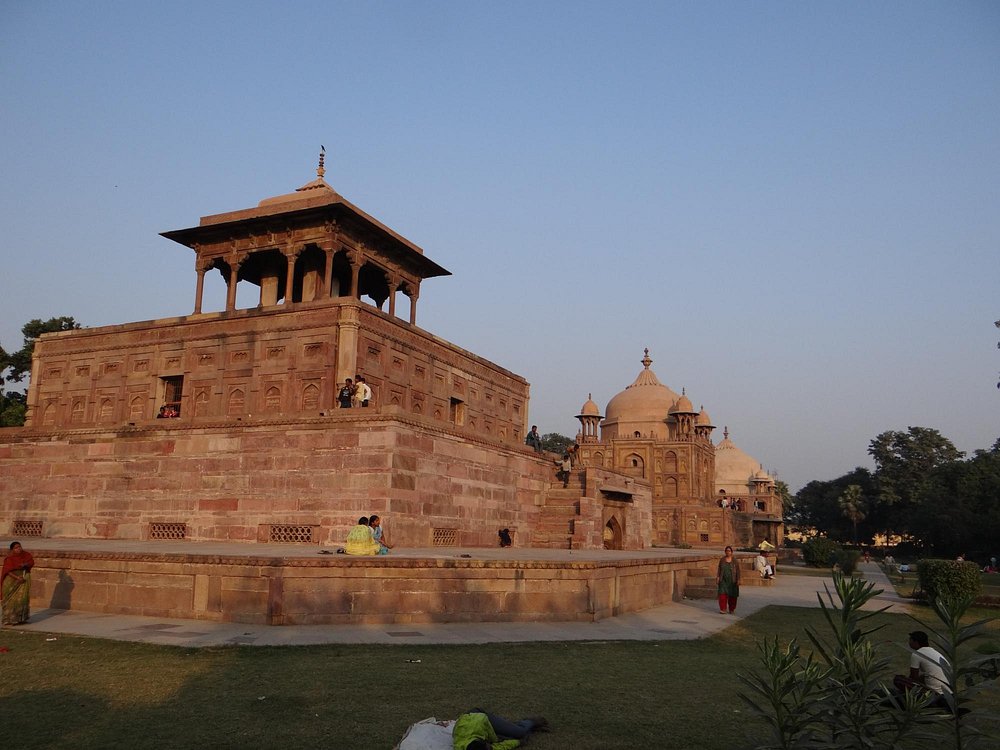
Khusro Bagh, a 17th-century Mughal walled garden in Lukarganj, conceals three sandstone mausoleums that whisper tales of betrayal and tragedy. Built for Emperor Jahangir’s rebellious son Khusrau Mirza, his mother Shah Begum, and sister Nithar Begum, the tombs feature exquisite Persian calligraphy, latticework, and domed chhatris. The garden’s serene beauty turns eerie at dusk, when an uncanny stillness descends, and locals report hearing faint footsteps or sighs along the empty pathways. Khusrau’s turbulent life—blinded and imprisoned by his father—adds a haunting layer to the site, making it a magnet for history lovers and paranormal enthusiasts alike. The blend of Mughal grandeur and ghostly legends makes this a must-visit hidden gem.
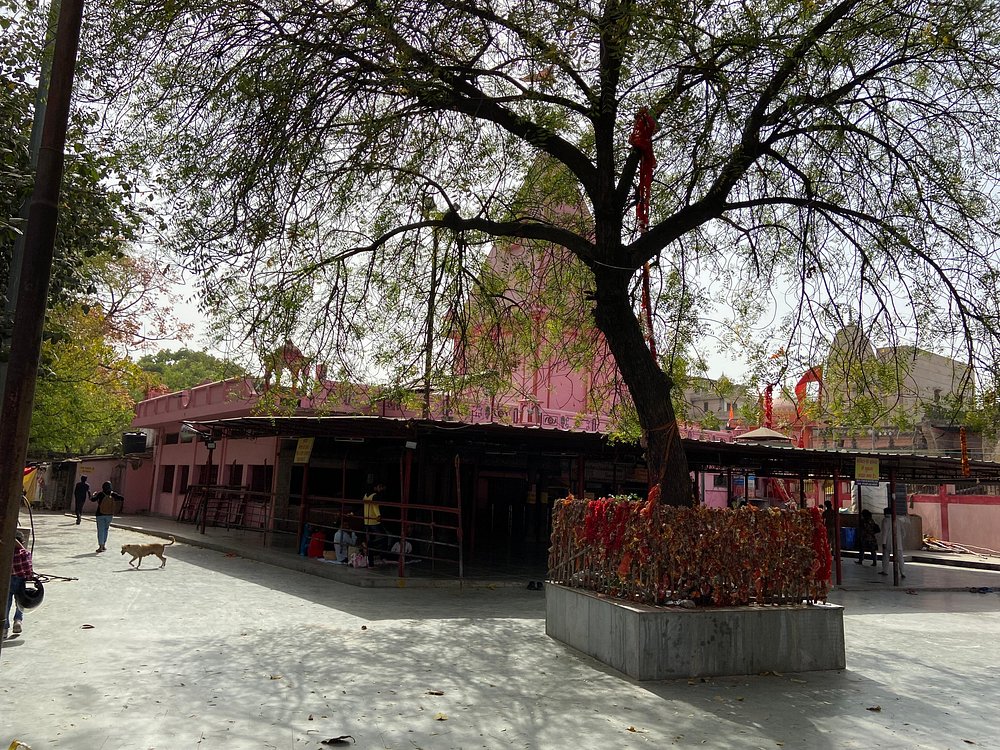
In Alopi Bagh, the Alopi Devi Mandir defies traditional temple norms by worshipping a small, ornate wooden cradle instead of a deity statue. Dedicated to Goddess Alopi, who is believed to have vanished mysteriously after her marriage, the temple’s origin is steeped in myth. Some say she dissolved into the Triveni Sangam, while others believe she descended from the heavens to protect devotees. The cradle, draped in red cloth and adorned with flowers, radiates divine energy, especially during Navratri, when the temple buzzes with fervent prayers. The absence of an idol and the goddess’s elusive legend create an uncanny yet sacred atmosphere, making this a unique spiritual destination.
.jpg)
Approximately 40 km from Prayagraj, Shringverpur is a tranquil village etched into the Ramayana as the resting place of Lord Rama, Sita, and Lakshmana during their exile. The Nishadraj Fort, named after the loyal boatman king who aided Rama, lies in evocative ruins, its weathered walls whispering tales of divine loyalty. A small temple nearby houses stone footprints believed to be Rama’s, drawing pilgrims seeking blessings. The desolate landscape, dotted with ancient wells and banyan trees, feels frozen in an epic past. Locals claim the fort’s shadows shift inexplicably at twilight, adding a supernatural edge to this archaeological site rarely visited by tourists.
.jpg)
Located 60 km from Prayagraj, Kaushambi is an ancient Buddhist city that once thrived as a hub of learning, visited by Lord Buddha himself. Now a haunting archaeological site, its crumbling stupas, monasteries, and a massive fort are overtaken by wild grasses, evoking a city abandoned overnight. Excavations have unearthed coins, seals, and terracotta figurines, but the site’s eerie desolation captivates visitors. The Ghositarama Monastery, named after a disciple of Buddha, radiates spiritual weight, while locals whisper of strange lights flickering near the ruins after dark, hinting at restless spirits or hidden treasures. Kaushambi is a must-visit for those intrigued by history and the supernatural.
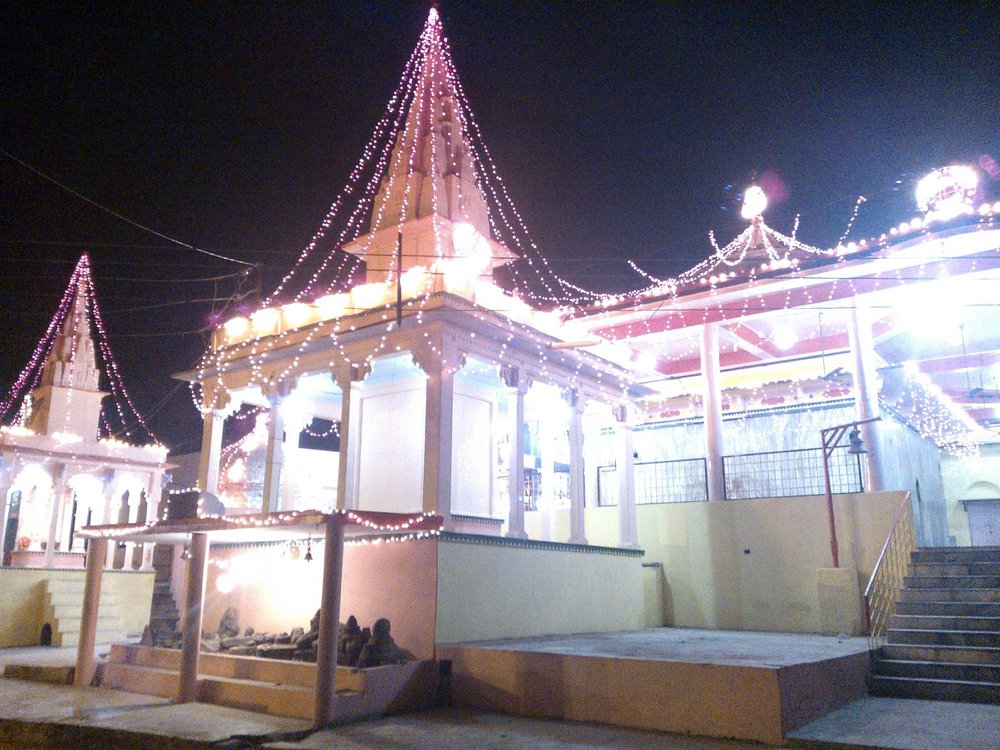
Hidden in a quiet corner near Daraganj, the Someshwar Mahadev Temple is a centuries-old shrine dedicated to Lord Shiva, radiating potent spiritual energy. The temple’s unassuming exterior belies its reputation for miracles—devotees claim prayers offered here yield extraordinary results, from healing ailments to fulfilling desires. The central Shivalinga, believed to have emerged spontaneously (swayambhu), is said to have been worshipped by ancient sages. During the holy month of Shravan, the temple thrums with chants and incense, and some visitors report feeling an unseen presence during the midnight aarti. The Ganga’s proximity enhances the temple’s mystical ambiance.
Nestled 65 km from Prayagraj in a forested ravine near Kaushambi, the Kali Khoh Temple is a cave shrine dedicated to Goddess Kali in her fierce form. Local lore claims Kali appeared here after slaying demons, her presence lingering in the cave’s damp, shadowy depths. A narrow passage, illuminated by flickering oil lamps, leads to a stark idol of the goddess, whose piercing eyes seem to follow visitors. During Navratri, the cave echoes with fervent chants, but some report hearing faint whispers or feeling a chill when alone. The surrounding jungle, with its rustling leaves and distant bird calls, amplifies the site’s primal, mystical vibe.
.jpg)
Near Saraswati Ghat, the Mankameshwar Temple is a serene shrine believed to have been established by Lord Rama for Sita, housing an ancient Shivalinga. Known as the “wish-fulfilling temple,” locals claim that sincere prayers whispered here manifest, but only for those with pure intentions. The lingam, adorned with bilva leaves and sandalwood paste, pulses with spiritual energy, especially during Shravan. At night, the temple’s reflection in the Ganga creates an ethereal glow, as if Shiva guards the sacred waters. The blend of Ramayana lore and divine reputation makes this a hidden spiritual gem.
Perched on a rugged hilltop 60 km from Prayagraj, the Ashtabhuja Temple is dedicated to Goddess Durga in her eight-armed form, offering panoramic views of the Vindhya range. Devotees believe the goddess bestows peace, prosperity, and protection, but the temple’s isolated location and steep climb lend it an air of mystery. Ancient rock inscriptions near the site hint at forgotten rituals, and some claim the idol’s eyes glow faintly at dawn, a divine phenomenon. The wind-swept hill, with its stark beauty, feels alive with the goddess’s energy, making this a rewarding destination for spiritual and adventure seekers.
Prayagraj’s hidden gems are more than offbeat destinations—they’re gateways to India’s spiritual, historical, and supernatural tapestry. From the eternal Akshayavat’s divine roots to the shadowy depths of Kali Khoh’s haunted cave, each site weaves a story of faith, legend, and mystery. Whether you’re drawn to the Ramayana’s echoes in Shringverpur, a haunted Mughal garden, or the Buddhist ghosts of Kaushambi, these places invite you to explore Prayagraj beyond the Triveni Sangam. Pack your curiosity, tread respectfully, and let these enigmatic corners reveal their secrets.
Have you explored any of these mystical sites, or do you know another hidden gem near Prayagraj? Share your travel tales in the comments below!
All recommended images are royalty-free from Pixabay (pixabay.com), Pexels (pexels.com), or Unsplash (unsplash.com). Use provided keywords for authentic, copyright-free visuals.